Whether you're dealing with drought restrictions, rising water bills, or just want to garden more sustainably, cutting water use doesn't mean cutting corners on plant health. These three strategies are the most effective ways to save water in the garden — and they work together beautifully.
1. Switch to Subsurface Irrigation with an Olla
Surface watering — whether by hose, sprinkler, or drip tape — loses a significant portion of water to evaporation before it ever reaches plant roots. Subsurface irrigation solves this by delivering water directly underground, where roots actually live.
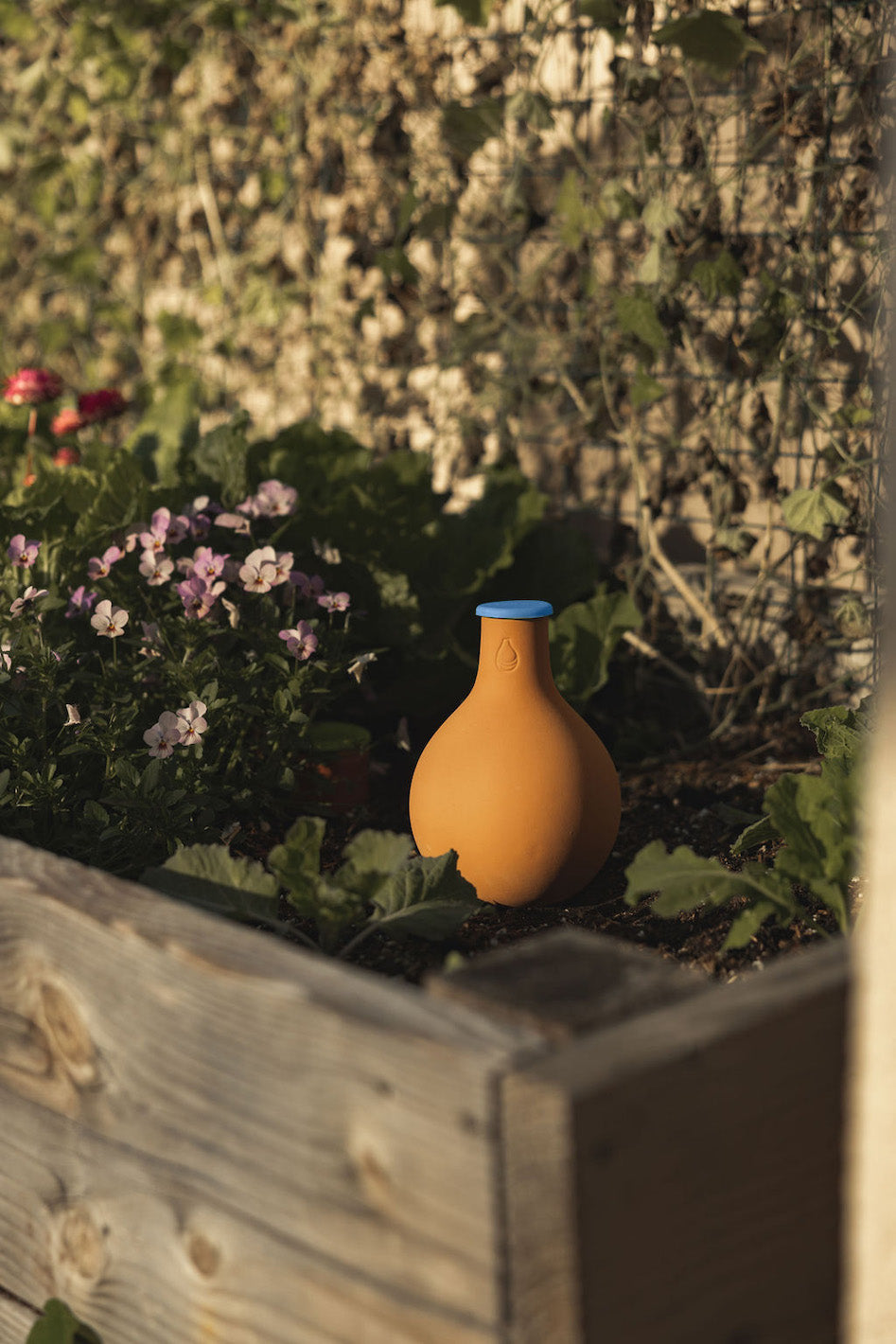
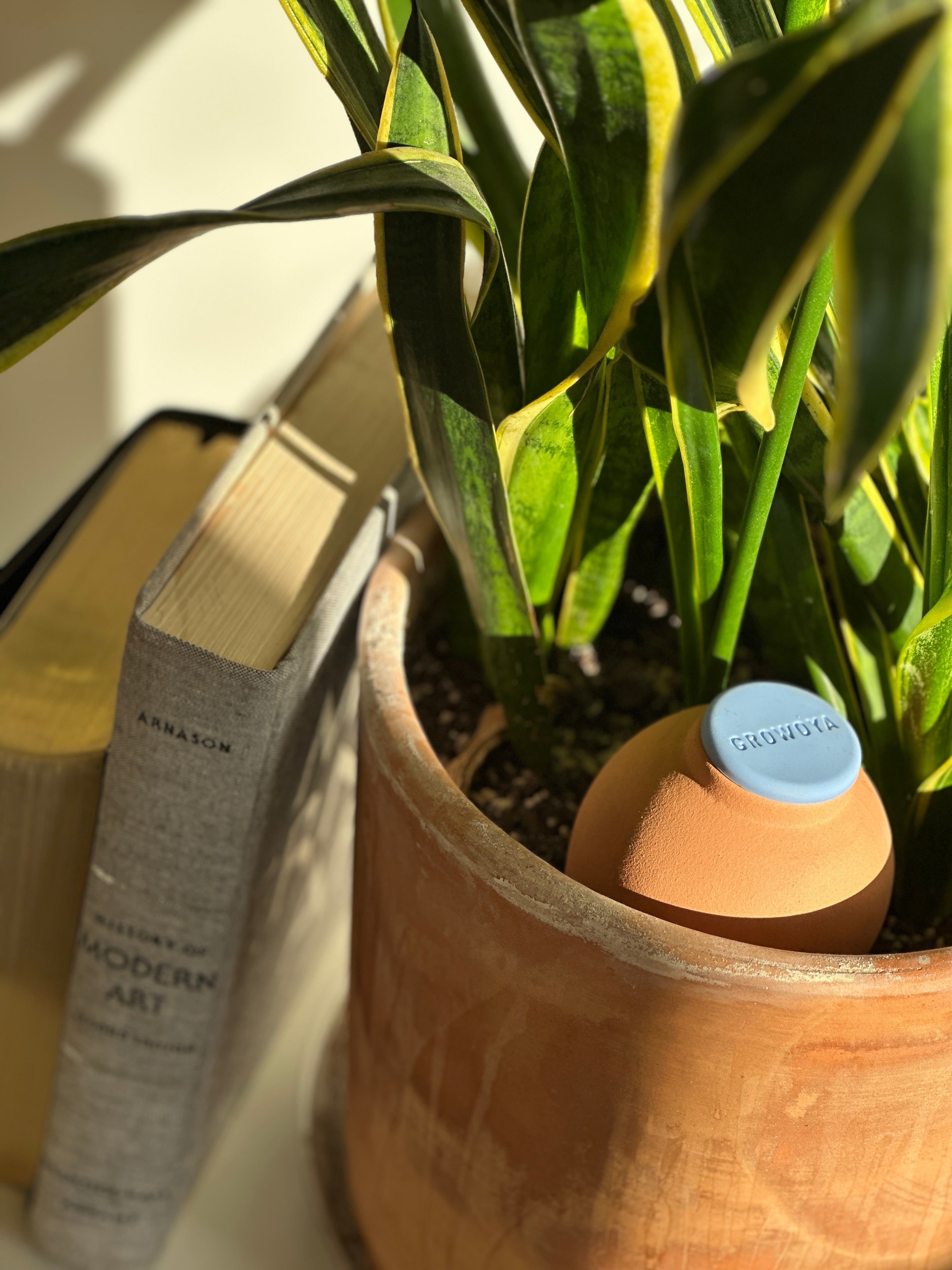
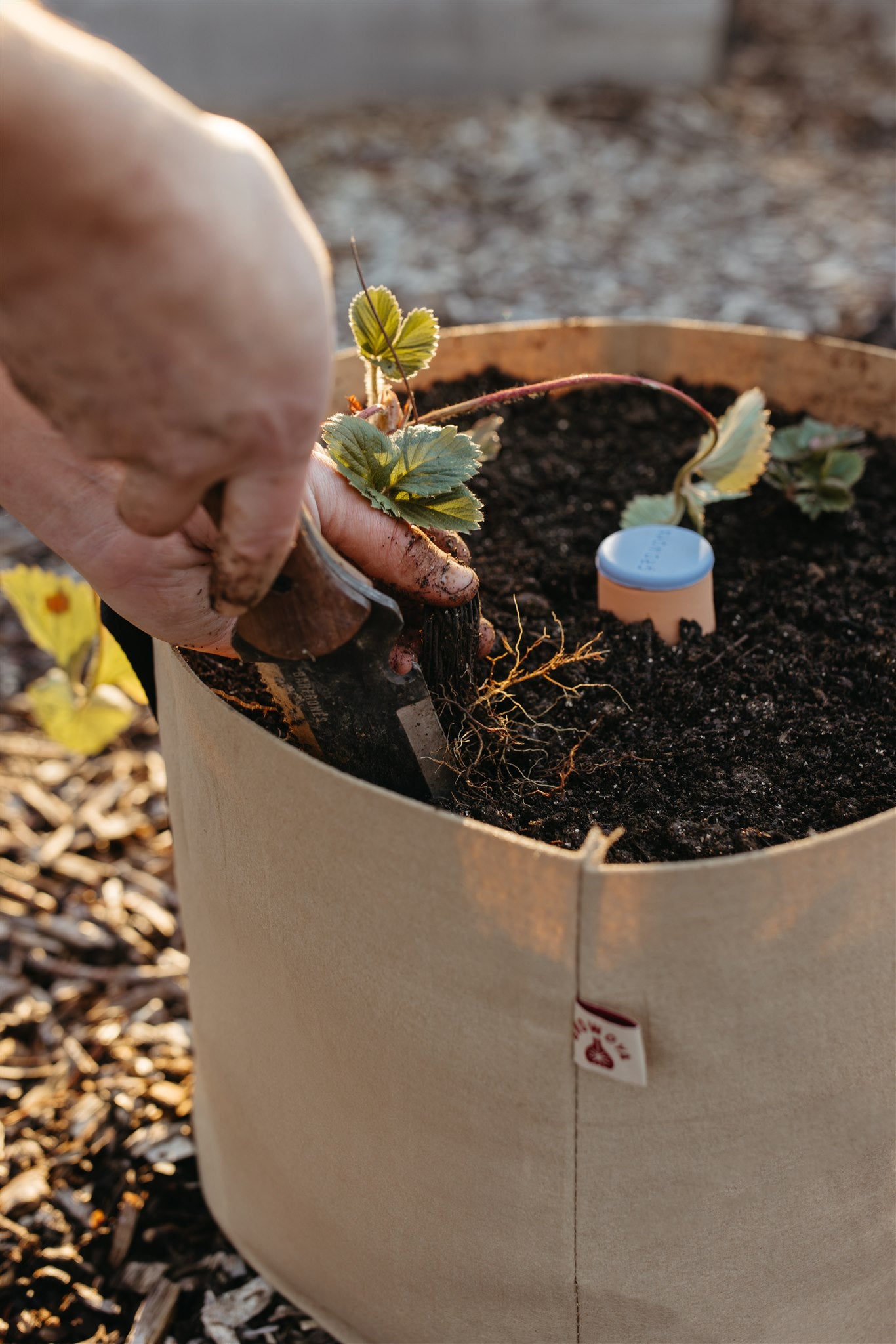
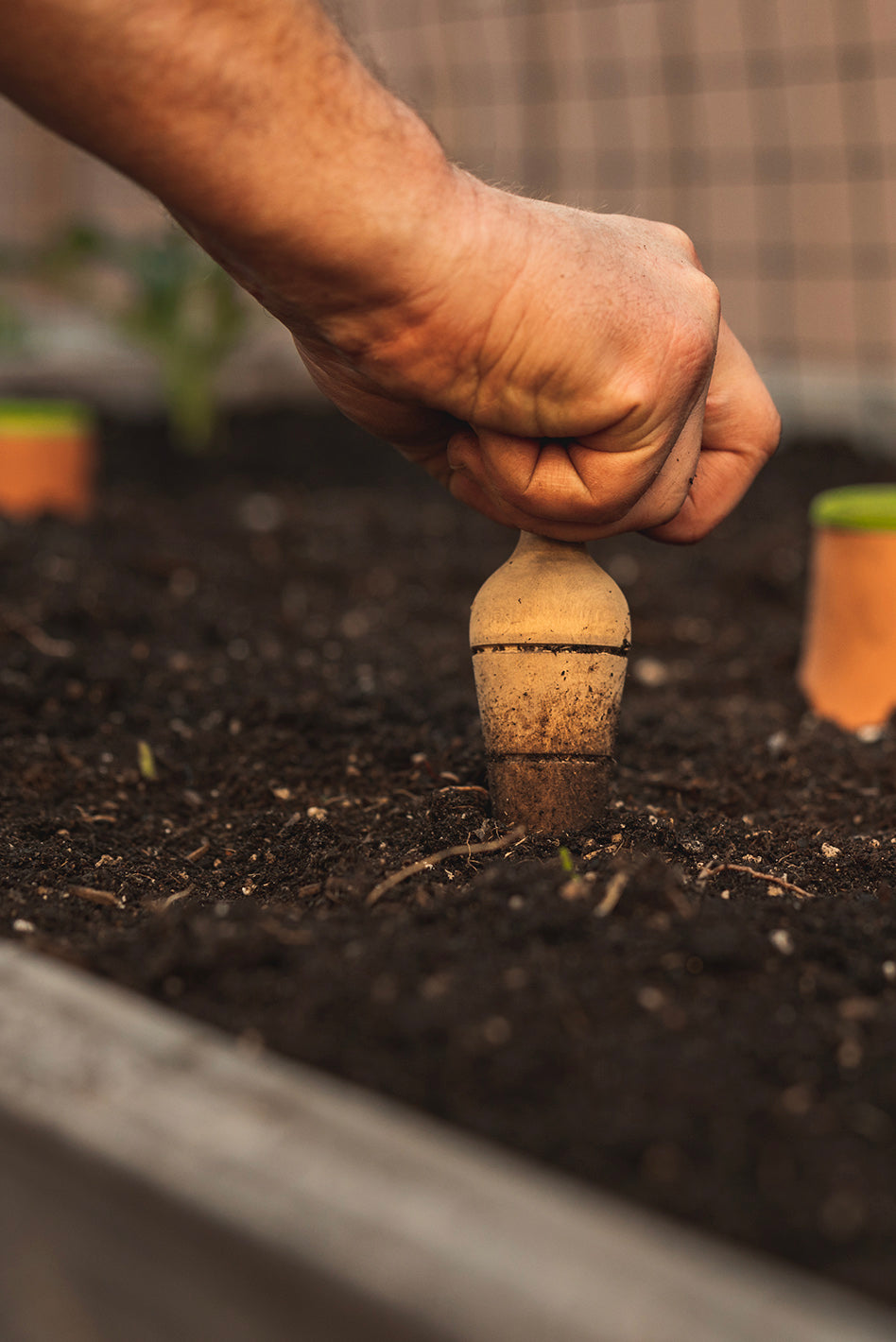
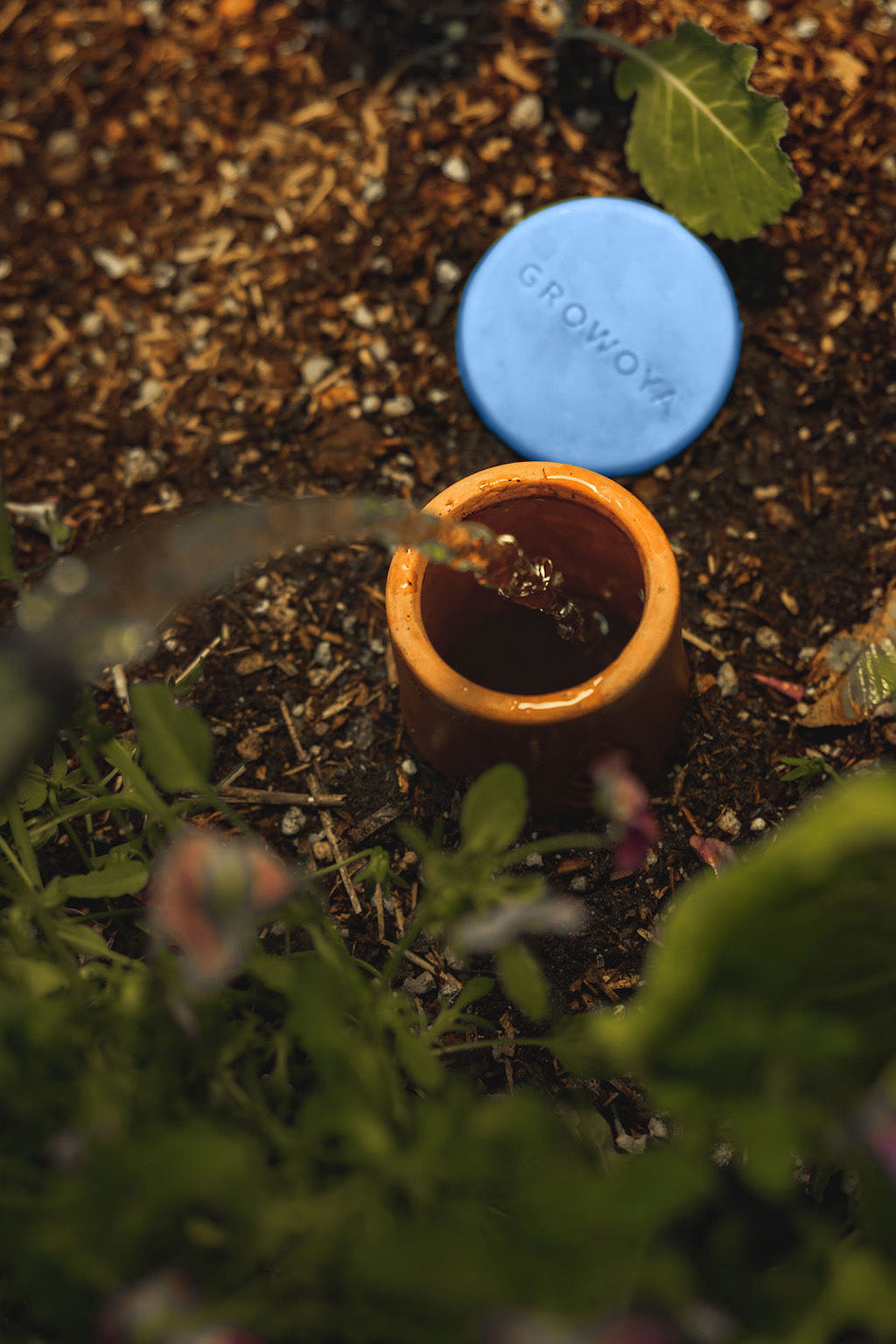
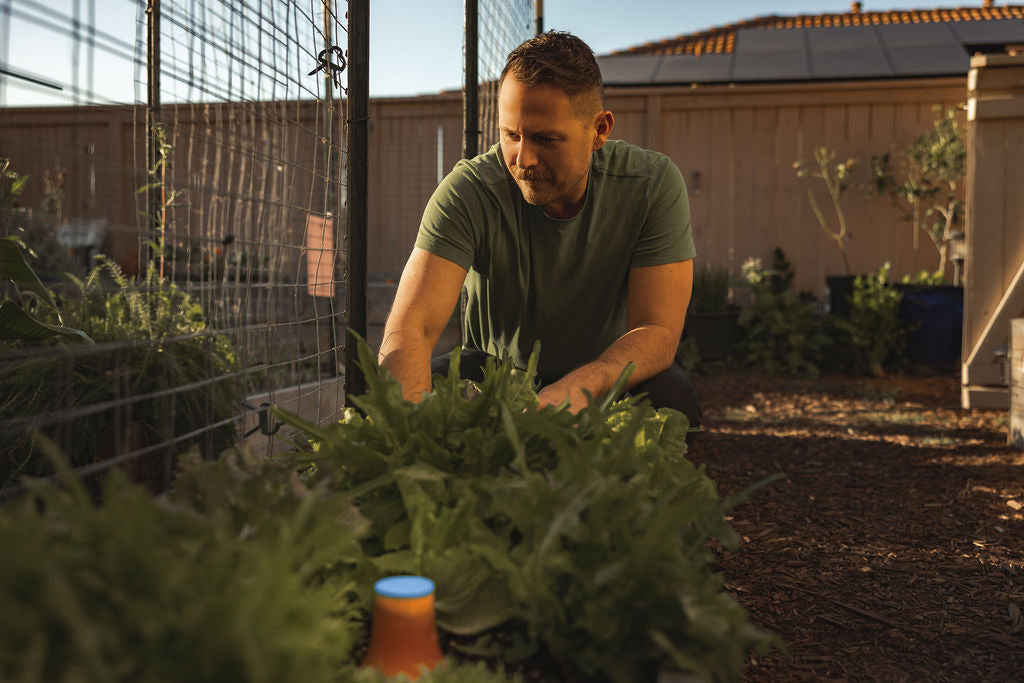
The easiest subsurface method is the olla (pronounced "oy-yah") — an unglazed clay pot buried in the soil that slowly weeps water into the root zone. Plants draw moisture as they need it through osmotic pressure, so water delivery is self-regulating: faster when plants are thirsty, slower when the soil is saturated.
The results are striking. Gardeners using olla irrigation typically use 50–70% less water than those watering from above, while growing healthier plants with deeper, more drought-resilient root systems.
The Oya™ Watering Pot is a modern take on this ancient technology — designed for raised beds, in-ground gardens, and containers. Fill it once and your plants are covered for days.
2. Mulch Generously Around Every Plant
Bare soil is the enemy of water conservation. Exposed to sun and wind, unprotected soil can lose a significant amount of its moisture to evaporation within hours of watering. A thick layer of mulch changes everything.
How to mulch effectively:
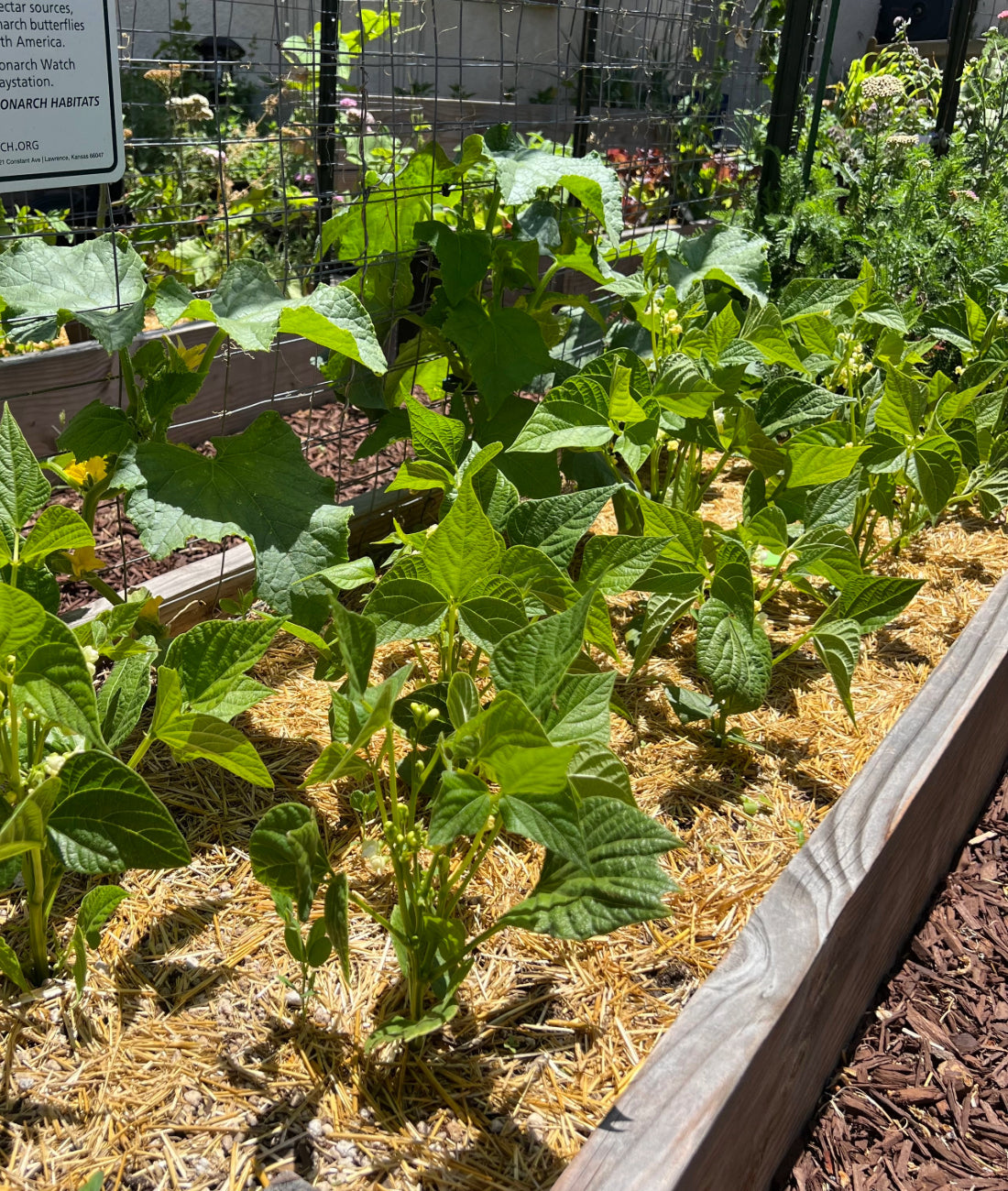
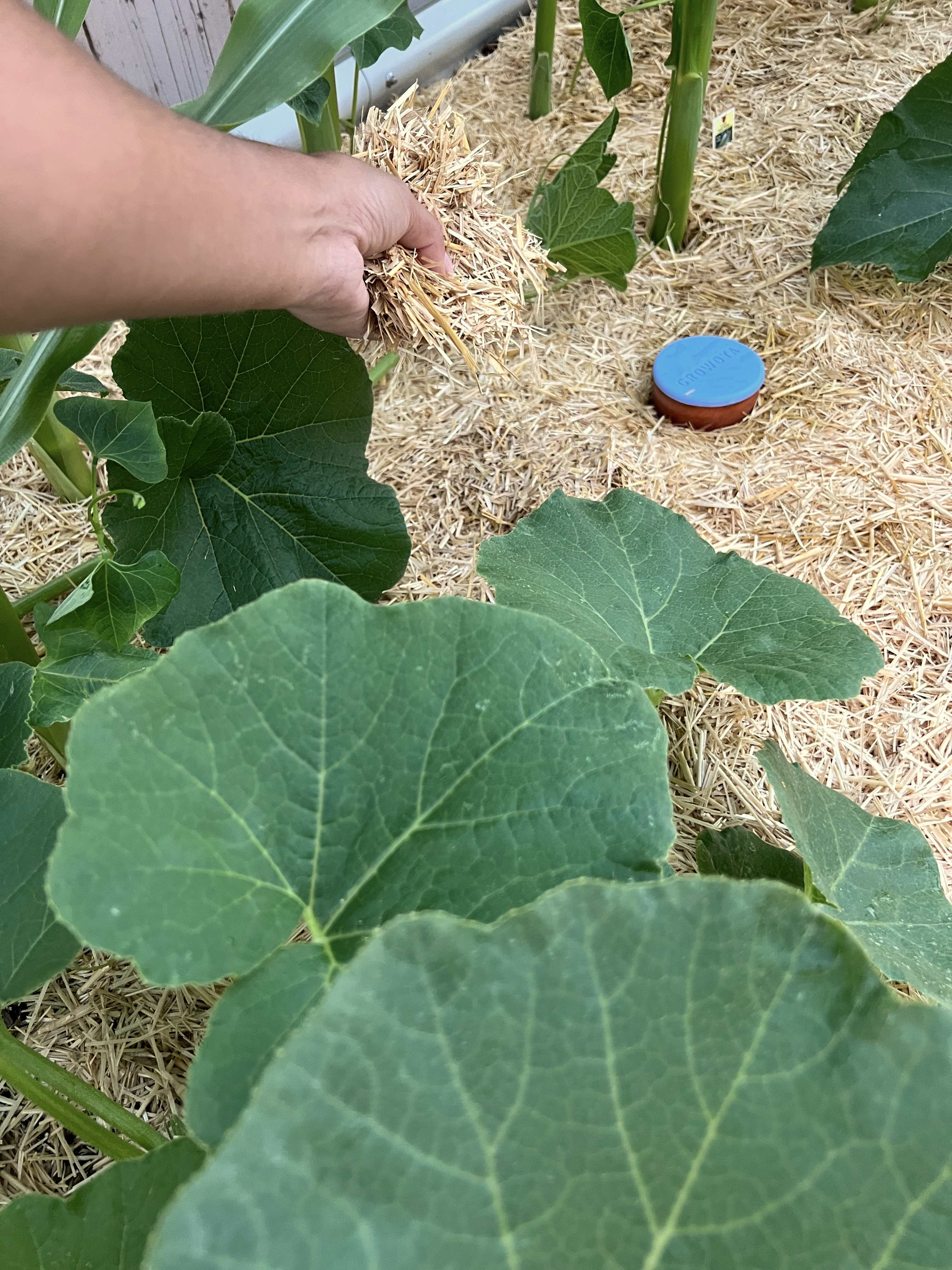
- Apply 2–4 inches of organic mulch (straw, wood chips, shredded leaves, or compost) around plants
- Keep mulch a few inches away from plant stems to prevent rot
- Refresh mulch each season as it breaks down — it improves soil structure as it decomposes
Good mulching can reduce soil moisture loss by up to 50%, meaning you water less often and plants stay hydrated longer between waterings. It also suppresses weeds that compete for water, and moderates soil temperature during heat waves.
Best mulch materials by use:
- Vegetable gardens: Straw or shredded leaves
- Ornamental beds: Wood chips or bark
- Around trees: Wood chips in a wide ring
3. Water at the Right Time of Day
When you water matters almost as much as how much you water. Watering during the heat of the day means a large portion of what you apply evaporates before it soaks in — you're essentially watering the air.
The golden rule: water early in the morning.
- Early morning (5–9 AM) is ideal — temperatures are cool, wind is calm, and water soaks deep into the soil before the sun intensifies. Foliage dries quickly, reducing disease risk.
- Evening watering is a second option, but wet foliage overnight can encourage fungal problems like powdery mildew.
- Midday watering should be avoided whenever possible — evaporation rates are highest and efficiency is lowest.
Pairing smart timing with a subsurface method like an olla makes this even less of a concern — since water goes directly underground, evaporation from the surface is nearly eliminated entirely.
Putting It All Together
These three strategies compound each other. Olla irrigation eliminates surface evaporation. Mulch locks in whatever moisture is in the soil. Watering at the right time maximizes absorption. Together, they can cut your garden's water use dramatically — while actually improving plant health.
If you're only going to make one change, start with subsurface irrigation. The Oya™ Watering Pot is the easiest way to get started — no installation, no electricity, no timers. Just fill and forget.
→ Try the Oya™ Watering Pot — the water-smart gardener's secret weapon